



Interior Design BA (Hons)
Bachelors
3 Years
71,610 AED
In this programme, you'll rethink conventional interior spaces, creating innovative and immersive environments that challenge the notion of "space." The course emphasizes how people engage with their surroundings, focusing on comfort, usability, aesthetics, and emotional connection. You'll explore the transformation of existing buildings and sites into dynamic spaces for purposes such as exhibitions, retail, leisure, performance, dining, and social gatherings.
Through hands-on projects, you'll enhance your visual communication abilities, including skills in drawing, 3D modelling, CAD, video modelling, and virtual reality. Your designs will be shaped by contemporary global challenges, with a strong emphasis on sustainability and inclusivity.
As you develop your unique design approach, you’ll build a diverse portfolio and gain the confidence to communicate your ideas clearly. Our goal is to equip you with the skills and knowledge to graduate as a versatile interior designer, ready to excel in the industry.
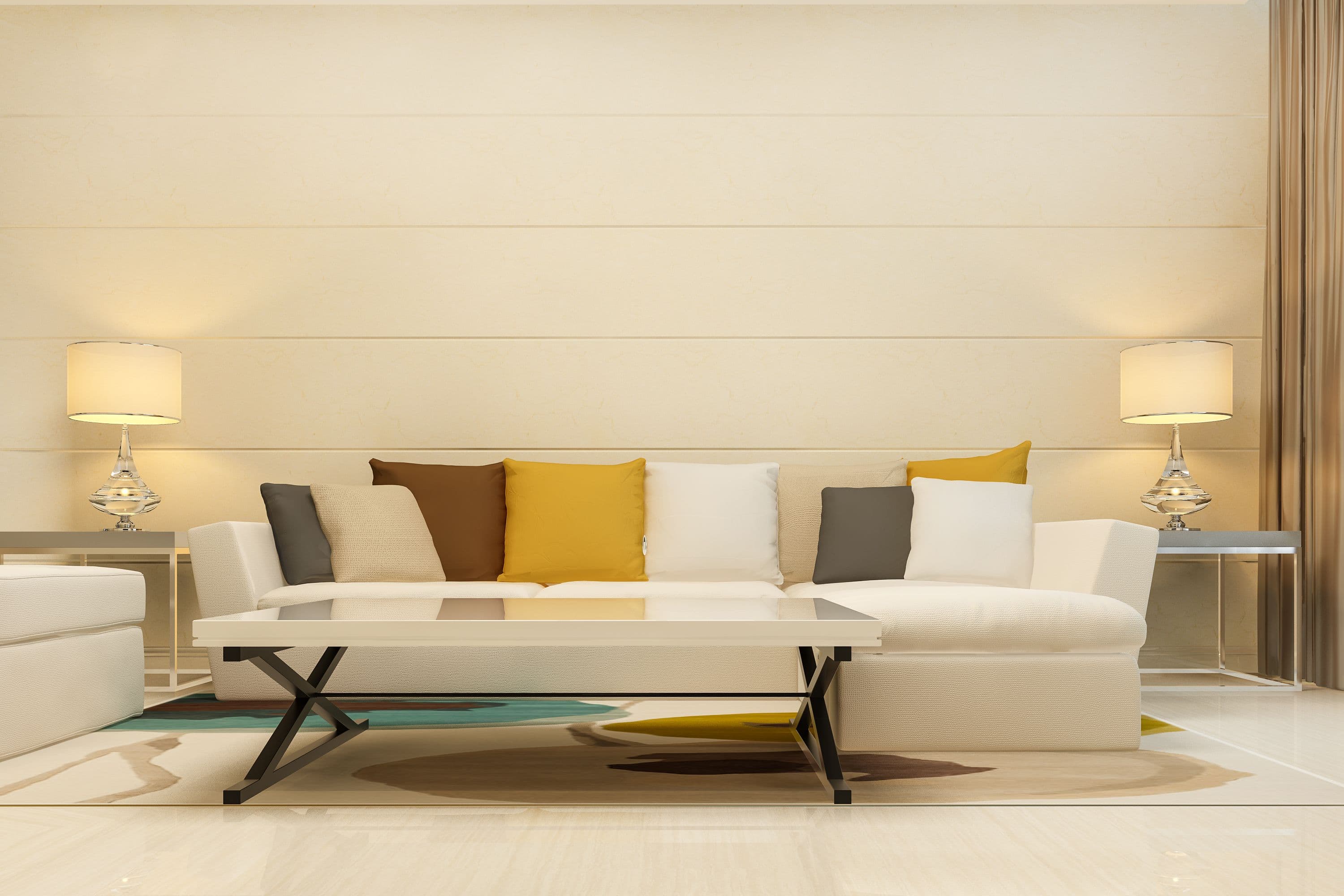


Real-World Studio Experience
Work in a studio setting that mirrors real-world practice, gaining insights from staff with extensive industry backgrounds. Shape your design path based on your personal interests and career goals. Students have developed a wide range of projects, from interactive art galleries and community spaces to boutique hotels, addressing contemporary issues like food waste, vacant storefronts, and body image.

Industry Advisory and Guidance
DMU Dubai students can also take advantage of the Industry Advisory Board, which consists of leading professionals who offer valuable advice to keep the curriculum aligned with current industry trends.

Advanced Facilities and Support
Benefit from state-of-the-art facilities, including CAD software, drawing studios, video visualization tools, and prototype workshops. The programme is led by experienced professionals who are committed to delivering high-quality education, always available to assist with any questions related to course content or accreditation.

Focused Block Study Experience
The block teaching structure allows you to focus on one subject at a time, fostering deeper engagement, quicker feedback, and a better study-life balance.
Explore The Best University Options For This Course
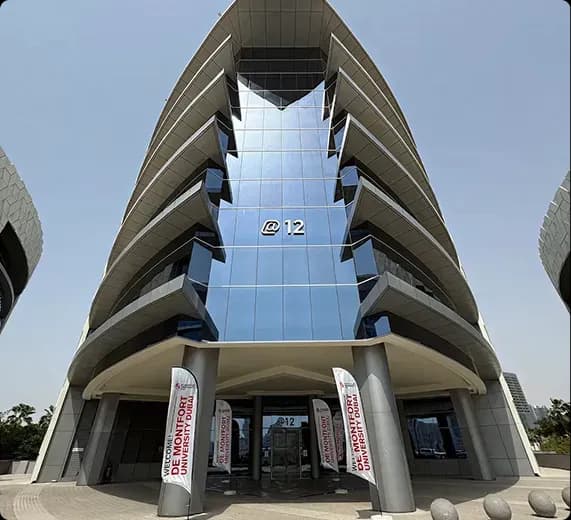
De Montfort University, Dubai
Dubai,UAE

The university's first overseas campus outside of the United Kingdom is De Montfort University (DMU) Dubai, which was inaugurated in 2021. This campus, which is situated in Dubai ....
Universities in the UAE



Study Interior Design BA (Hons) in Dubai
Where your interests meet global opportunity
Design-Led Urban Landscape: Dubai provides a front-row seat to high-end interiors, groundbreaking architecture, and a melting pot of international design aesthetics.
Cultural and Creative Diversity: Students interact with a wide range of global viewpoints, fostering a design philosophy that is both inclusive and culturally aware.
Expanding Creative Industries: The region boasts a massive demand for design expertise within the thriving retail, luxury residential, and hospitality sectors.
Professional Networking Environment: Offers unrivalled access to prestigious design summits, international trade fairs, and collaborative industry events.
Contemporary Lifestyle Exposure: Draws inspiration from the city's contemporary retail areas, entertainment spots, and advanced housing developments.
Academic Qualification Review: Prospective students must meet the high school education requirements needed for creative and arts-based programs.
Portfolio Submission: Applicants may need to submit a basic portfolio showcasing their artistic vision and interest in spatial design.
English Language Proficiency: Applicants from non-English speaking academic backgrounds may be required to verify their language skills through testing.
Application Evaluation: Every submission is meticulously examined to assess the candidate's educational background in relation to their capacity for creative development.
Offer and Enrollment Process: Eligible students will be sent a formal acceptance letter to proceed with the university's registration and enrollment steps.
Creative Career Versatility: Provides a robust set of skills that can be applied to diverse roles in spatial planning, visual arts, and design management.
Strong Practical Skill Development: Emphasises hands-on project implementation, comprehensive material knowledge, and precise technical specifications.
Professional Design Awareness: Introduces students to the essentials of project management, ethical business conduct, and professional documentation.
Global Design Relevance: The training provided is in sync with international industry benchmarks and the expectations of top-tier global firms.
Confidence in Design Communication: Sharpens the ability to pitch and explain complex design concepts using models, digital media, and technical drawings.
Interior Designer: Conceptualise and execute aesthetic and functional designs for homes, corporate offices, and communal public buildings.
Spatial or Exhibition Designer: Craft engaging and immersive environments for gallery shows, corporate events, and experiential marketing installations.
Furniture and Product Designer: Innovate bespoke furniture solutions that harmonise with specific interior layouts and user preferences.
Design Consultant: Offer expert guidance to clients regarding space optimisation, material selection, and the practical feasibility of design projects.
Property and Design Coordinator: Assist in the management and oversight of design phases within the broader real estate development and construction sector.
Frequently Asked Questions
01
Is prior design experience required to join the programme?
No, the degree is structured to guide you from the very basics of design theory to advanced professional execution.
02
What creative tools are taught during the course?
You will master a variety of tools, including manual sketching, CAD software, 3D modelling programs, and digital presentation suites.
03
Does the course focus only on residential interiors?
Not at all. The curriculum covers a broad spectrum, including workspaces, retail stores, cultural centres, and leisure environments.
04
Will students learn about sustainability in interior design?
Yes, the use of renewable materials and the implementation of socially responsible design practices are core themes of the program.
05
Can graduates pursue further studies after this degree?
Absolutely. This BA (Hons) provides the academic weight required to apply for specialised Master's degrees or other advanced design certifications.
© All rights reserved. StudyFinder.
Powered by SpiderWorks